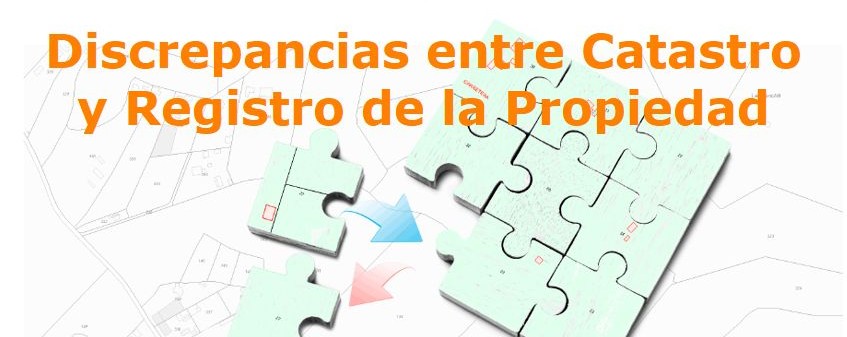
Land Registry vs Land Registry: Key Differences When Buying a Property in Benissa
When buying or selling a property in Benissa, Costa Blanca, it is essential to know two official registers in Spain: the Land Registry and the Cadastre.
Although both are related to real estate, they serve very different legal and tax functions.
Understanding these differences is key to avoiding legal risks, unexpected taxes or delays in a real estate purchase in Spain.
What is the Land Registry?
The Land Registry is the official legal registry of ownership of real estate in Spain.
What information does it collect?
-
Who is the legal owner of the property
-
Ownership percentages
-
Mortgages, charges, debts and liens
-
Rights such as usufruct, easements or limitations
Why is it important for buyers in Benissa?
-
Confirms legal ownership
-
Protects the buyer from third parties
-
Ensures that the property can be sold legally
-
It is updated by means of a public deed before a notary
Before buying a villa, apartment or plot in Benissa, it is imperative to check the Land Registry to ensure that the seller has a legal right to sell.
What is the Cadastre?
The Real Estate Cadastre is an administrative and tax register managed by the Tax Agency.
What information does it contain?
-
Physical description of the property
-
Boundaries of the plot
-
Constructed area (square meters)
-
Use of the property (residential, rustic, commercial)
The Cadastre determines the cadastral value, used to calculate:
-
IBI (Property Tax)
-
Municipal capital gains
tax -
Other State and Local Taxes
Important note:
The Cadastre does not accredit the legal ownership of the property. Its purpose is exclusively fiscal.
Land Registry vs Cadastre: Main Differences
| Feature | Land Registry | Cadastre |
|---|---|---|
| Main function | Legal ownership | Tax and physical data |
| Organism | Ministry of Justice | Tax Agency |
| Prove ownership | yes | no |
| Shows charges and mortgages | yes | no |
| Used for taxes | no | yes |
Why Do the Registry and the Cadastre Show Different Data in Benissa?
Discrepancies between the Registry and the Cadastre are frequent in Benissa and the Costa Blanca, especially in:
-
Older properties
-
Undeclared extensions or renovations
-
Rustic or phased homes
for example:
-
The Registry may indicate 120 m² built
-
The Cadastre can reflect 160 m² after subsequent extensions
These differences do not always pose a legal issue, but they should be carefully reviewed before buying or selling.
Which Registration is Most Important When Buying a Property in Spain?
Both are fundamental:
-
Land Registry: legal certainty
-
Cadastre: correct taxation
A safe and secure purchase and sale in Benissa requires checking and understanding both records.
How our real estate agency in Benissa helps you
As a local real estate agency in Benissa:
-
We verify ownership and legal status in the Registry
-
We review cadastral data and its fiscal impact
-
We detect possible discrepancies from the beginning
-
We coordinate with lawyers, notaries and technicians when necessary
This is especially important for international buyers who are not familiar with Spanish real estate regulations.
Final Recommendations for Buying or Selling in Benissa
Before buying or selling a property in Benissa:
-
Don't rely solely on a record
-
Always compare Registry and Cadastre
-
Seek professional advice to avoid legal or tax problems
If you are thinking of buying or selling a property in Benissa or the Costa Blanca, contact our team for expert local advice and a safe operation.