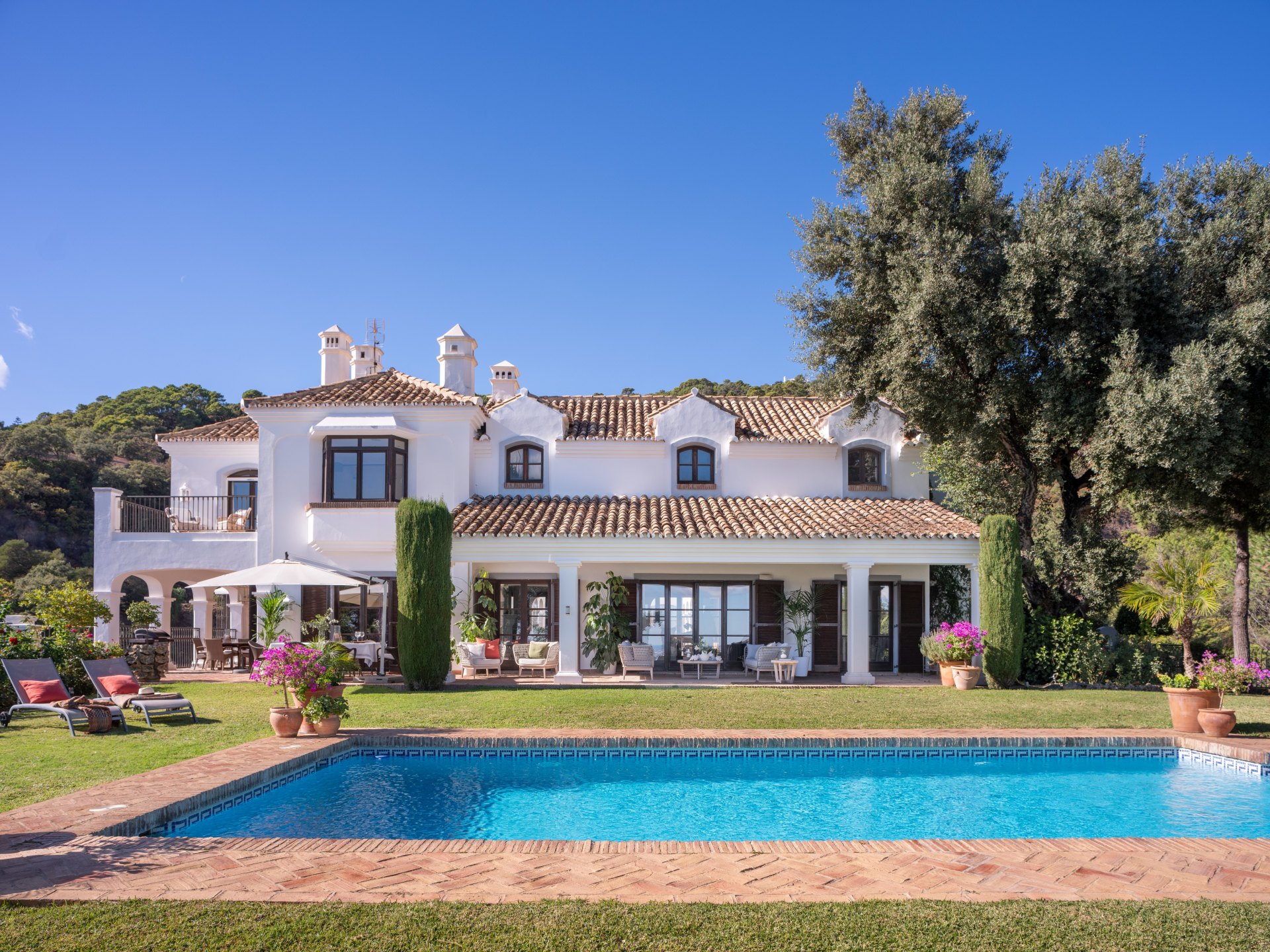
Rustic Properties in Benissa: Regulations for Plots of Less than 10,000 m²
Rustic properties in Benissa are in high demand for their privacy, views and natural surroundings. However, plots with a surface area of less than 10,000 m² are subject to strict urban planning regulations that buyers and sellers must be aware of before carrying out any operation.
In this guide we explain the main legal aspects and the most common risks.
Rustic Land in Benissa: Basic Principles
Rustic land is protected land intended primarily for very limited agricultural, environmental, or residential uses. In the Valencian Community, the minimum surface area of the plot is a determining factor in establishing what is legally possible.
Regulations for Plots of Less than 10,000 m²
1. New Home Construction Is Generally Not Allowed
In most cases, it is not allowed to build a new home on rural land when the plot is less than 10,000 m², even if there are adjoining homes or the plot has road access, water or electricity.
The existence of infrastructures does not imply the right to build.
2. Existing homes must be legally verified
A property located on rural land with less than 10,000 m² can be in one of the following situations:
-
Totally legal, with a building license granted in accordance with the regulations in force at the time
-
Out of ordination, but tolerated because of its seniority
-
Illegal and subject to potential penalties or reinstatement orders
Before any purchase and sale, it is essential to check:
-
Original building permits
-
Urban planning records of Benissa City Council
-
Coincidence between the Land Registry and the Cadastre
3. Limitations on Renovations and Extensions
If the property is legally recognized:
-
Interior renovations are usually allowed
-
Structural modifications are very limited
-
Increasing the built area or new volumes is usually prohibited
The rights of reform depend on the legal situation of the property, its age and the applicable urban planning regulations.
4. Agrarian Soil Classification
On plots of less than 10,000 m², the land is usually classified as agricultural. Although small agricultural constructions may be permitted, residential use is strictly controlled.
Important Additional Considerations
5. Minimum Distances and Environmental Protection
Rustic properties must comply with minimum distances from:
-
Adjoining boundaries and plots
-
Public roads and highways
-
Ravines, riverbeds and protected natural areas
Non-compliance can limit renovations or prevent the legalisation of the property.
6. The supplies do not prove legality
The existence of supplies such as electricity, water, septic tank or access does not guarantee that the house is legally or urbanistically compliant. Many rustic homes were connected to services without the corresponding licenses.
Legality must always be independently verified.
7. Obligations of the Rustic Property Seller
When selling a rustic property in Benissa, the owner must ensure that:
-
The legal situation is clearly communicated
-
Possible urban planning risks are explained to the buyer
-
The documentation is correct and up-to-date
Incomplete or incorrect information can delay the sale or generate legal conflicts.
Common Shopper Mistakes
-
Thinking that rustic land allows you to build automatically
-
Relying solely on verbal information
-
Deliver amounts on account without carrying out prior legal checks
The Importance of Local Professional Counseling
Every rustic property in Benissa is different. Local planning regulations, historic licences and environmental protections can have a decisive impact on the value and use of the property.
Having professional advice before buying or selling is essential.
Are You Thinking of Buying or Selling a Rustic Property in Benissa?
We help our clients with:
-
Urban and legal checks
-
Risk assessment before purchase
-
Proper marketing of rustic properties
Contact us for a confidential, no-obligation consultation.