The curious case of Spanish houses: old materials, modern inspiration
When we think of Spanish architecture, images of terracotta tiles, charming balconies, and sun-drenched patios come to mind. But long before chic resorts and Instagram-worthy villas, Spaniards were already building homes using ingenious—and sometimes quite curious—materials. Let's take a walk through the past to find out what they wore, some funny anecdotes, and how we can be inspired by those ideas today.
What materials did the Spaniards use in history?
1. Adobe (mud bricks)
Especially in rural and southern regions, the Spaniards used adobe bricks: a mixture of mud, straw and water that was left to dry in the sun. It was cheap, accessible, and surprisingly insulating. Imagine building your house with what a child might bring in their pockets after playing outside.
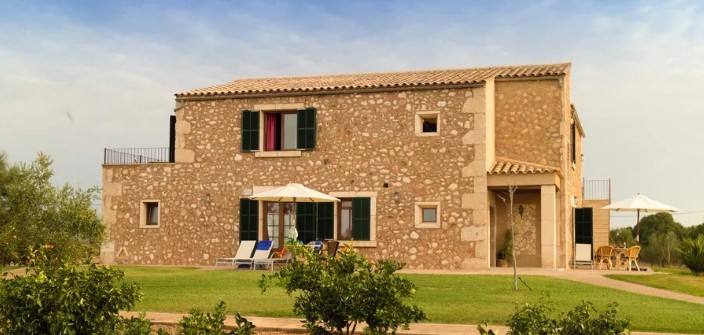
2. Stone
In mountainous or urban areas, stone was the preferred choice. Durable, fire-resistant, and excellent for defense during the occasional medieval disagreement (i.e., battles), the stone houses kept cool in summer and warm in winter.
3. Wood
Wood was commonly used for beams, ceilings, and structures. In wooded areas, especially in northern Spain, it was a natural choice. Fun fact: Some older homes creaked more than a horror movie during a storm due to aging joints.
4. Lime plastering and whitewashing
The walls were usually covered with lime or whitewashed, partly to protect the materials and partly to maintain clarity. In addition, it helped repel insects and gave that characteristic appearance of the "white villages".
5. Clay tiles
Terracotta tiles were ubiquitous. Its curved shape was not only aesthetic: it helped to evacuate water and maintain the freshness inside. And if one broke... Well, you could always try using it to bake a pizza (just kidding... more or less).
Fun (and Weird) Facts About Houses of the Past
-
With animals included (and not optional): Many rural houses housed animals just below or next to it. A pig under the ladder? A chicken coop in the pantry? Totally normal.
-
Bathroom? What's that? Before modern plumbing, relieving yourself involved... let's say, urinals and a good aim to throw them out the window.
-
Walls with echo: The thick walls of adobe or stone prevented the neighbors from hearing your secrets, but your own echo did.
How can we be inspired today?
1. Sustainability in style
Adobe and stone are eco-friendly and naturally insulating materials. Today, using compacted earth or recycled wood keeps that style warm and reduces energy consumption.
2. Patios and interior spaces
Traditional Spanish houses used to have an interior courtyard, ideal for ventilation, natural light, and hosting impromptu outdoor dinners.
3. White walls, luminous soul
Classic whitewash is still popular in Mediterranean-style homes. It reflects light, gives serenity and creates a fresh and relaxing atmosphere.
4. Touches of Terracotta
You don't need an entire roof. You can add clay shingles to garden borders, windowsills, or even in the kitchen for a rustic feel without completely remodeling.
5. Mix the old with the new
A beam here, a brick arch there... Incorporating traditional details into modern spaces creates a welcoming atmosphere that whispers, "Welcome home."
Final Thoughts
Traditional Spanish architecture wasn't just aesthetic: it was ingenious, functional, and sustainable. Even if we don't live above the corral anymore (fortunately), we can learn a lot from those builders: creativity, efficiency, and a deep love of natural light.
So, the next time you're thinking about renovating your home, ask yourself, "What would a 16th-century Spaniard do?" And then do it—without the potty, of course.